

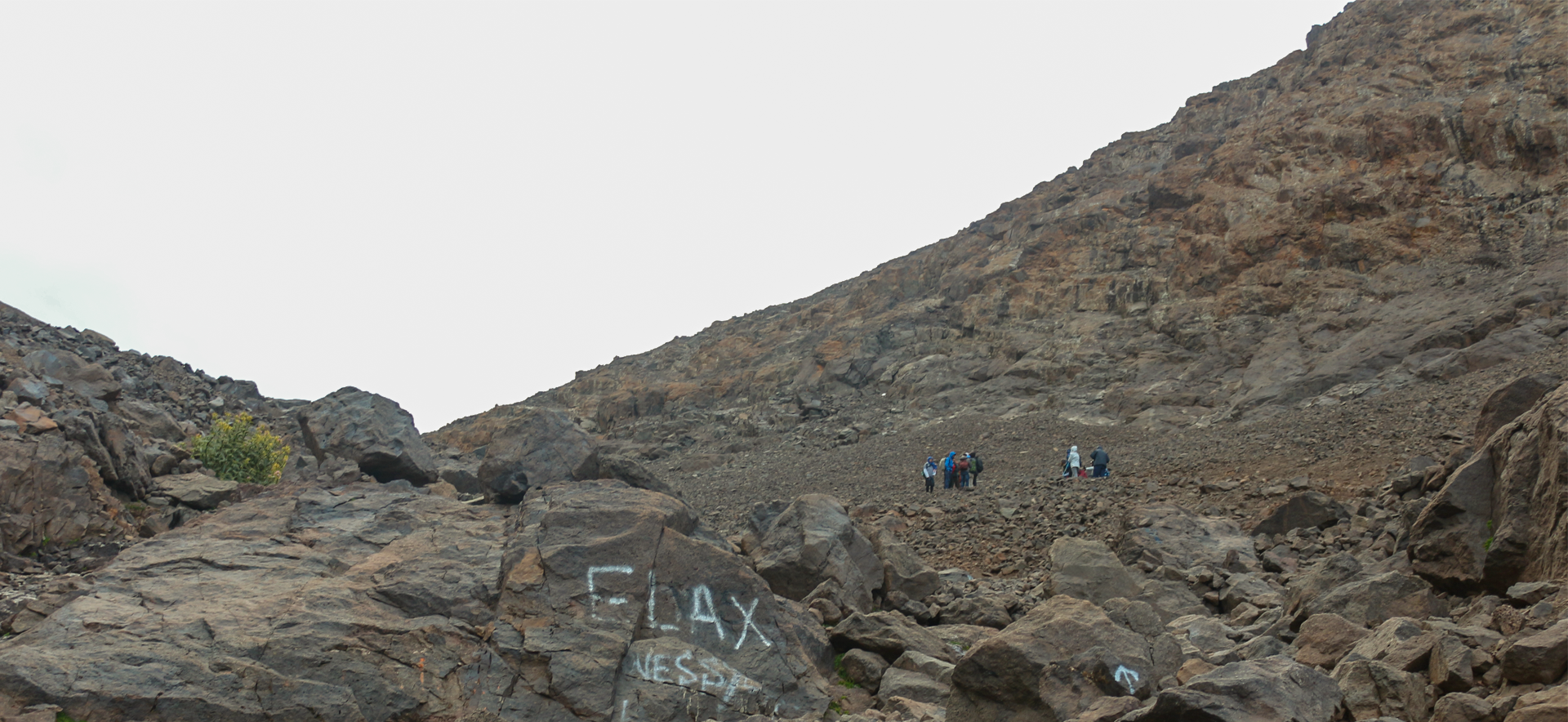
The best time to trek the Atlas Mountains is spring (April to June) and autumn (September to October). Days are mild, trails are clear, and the valleys are green in spring and golden in autumn. But the High Atlas can be trekked in every season if you choose the right route and bring the right gear. Here is what each part of the year really feels like on the trail.
The short answer
| Season | Months | Conditions | Best for |
|---|---|---|---|
| Spring | April to June | Mild days, cool nights, some snow high up early in the season, green valleys | Toubkal, village treks, wildflowers |
| Summer | July to August | Hot valleys, strong sun, cool nights at altitude | High routes, early starts, higher valleys |
| Autumn | September to October | Stable weather, warm days, clear views | Toubkal, longer multi-day treks |
| Winter | November to March | Snow above about 2,000 m, cold, short days | Experienced trekkers with guide and winter gear |
Spring (April to June)
Spring is many guides' favourite season. The snow retreats from the main trails, the streams are full, and the almond and walnut valleys are green. In April and early May you may still meet snow on the upper slopes of Toubkal, so ask your guide about conditions. By late May and June the weather is generally settled and warm.
- Pros: green landscapes, comfortable temperatures, stable mountain weather by late spring.
- Cons: possible late snow early in the season, occasional rain or afternoon storms.
Summer (July and August)
Morocco gets hot in summer, and the valley floors and lower trails can be very warm in the middle of the day. In the mountains the heat is more bearable, and nights at the Neltner Refuge (3,207 m) are cool. Summer trekking works best with early starts, a lot of water, sun protection, and a plan to be off the exposed sections before the afternoon.
- Pros: dry trails, long days, snow-free summit routes.
- Cons: strong sun and heat at lower elevations, busier refuges in peak weeks.
Autumn (September and October)
Autumn is the other prime window. The air is clear, temperatures drop to comfortable levels, and the light is good for photography. September and early October are usually the most stable. Snow can return from late October or November, so for a Toubkal ascent late in the year, check conditions near departure.
- Pros: settled weather, great visibility, comfortable walking temperatures.
- Cons: shorter days later in the season, first snow possible at altitude.
Winter (November to March)
Winter transforms the High Atlas. The peaks are white, the air is crisp, and the trails are quiet. It is also much more demanding. Toubkal in winter normally involves snow and ice, which means crampons, an ice axe, winter mountain skills and an experienced guide are essential. Lower valley treks around Imlil and the village trails can still be lovely on clear winter days, but weather can change fast.
- Pros: dramatic scenery, very few other trekkers.
- Cons: cold, short daylight, avalanche and ice risk on higher routes, summit may be out of reach.
Which month is right for you?
- First-time trekker wanting Toubkal: May, June, September or early October.
- Hot-weather averse: choose spring or autumn and avoid midsummer on lower trails.
- Photographers: late September to October for clarity, April to May for greenery.
- Experienced winter hiker: January to March with a guide who runs winter trips.
- Families or gentle walkers: village treks around Imlil in spring or autumn.
Ramadan and travel planning
Ramadan moves about 11 days earlier every year. Trekking during Ramadan is still possible, and mountain communities welcome visitors, but meals and rest stops can be affected and your guide and muleteers may be fasting. Tell us your dates when you book and we will plan around it.
Plan your Atlas trek with local guides
Tell us your dates and experience, and we will suggest the best route and season for you. Contact us or explore our Toubkal trek guide.
FAQ
What is the best month to climb Toubkal? May, June, September and early October offer the most reliable conditions for a summit without winter gear.
Can you trek the Atlas Mountains in summer? Yes. Start early, carry plenty of water, and expect heat on lower trails, with cooler air at altitude.
Is it safe to trek the Atlas in winter? Lower valleys are fine in good weather, but higher routes like Toubkal need winter equipment and an experienced guide.
Does it rain in the Atlas Mountains? Rain is more likely in winter and spring, and afternoon storms can occur in summer at altitude.

No comments on this article yet. Join the conversation!