

| Trip | Duration | Best for |
|---|---|---|
| Guided day ride from Marrakech or Imlil | 1 day | Beginners, families, a first taste |
| Weekend in the Toubkal foothills | 2 days | Active riders with limited time |
| Multi-day village-to-village tour | 3 to 7 days | Experienced riders wanting a bigger adventure |
| Custom route | Flexible | Groups with specific skills and goals |
Details such as distance and climbing depend on the route we design for your group. Ask us for exact figures when you enquire.
What are the trails like?
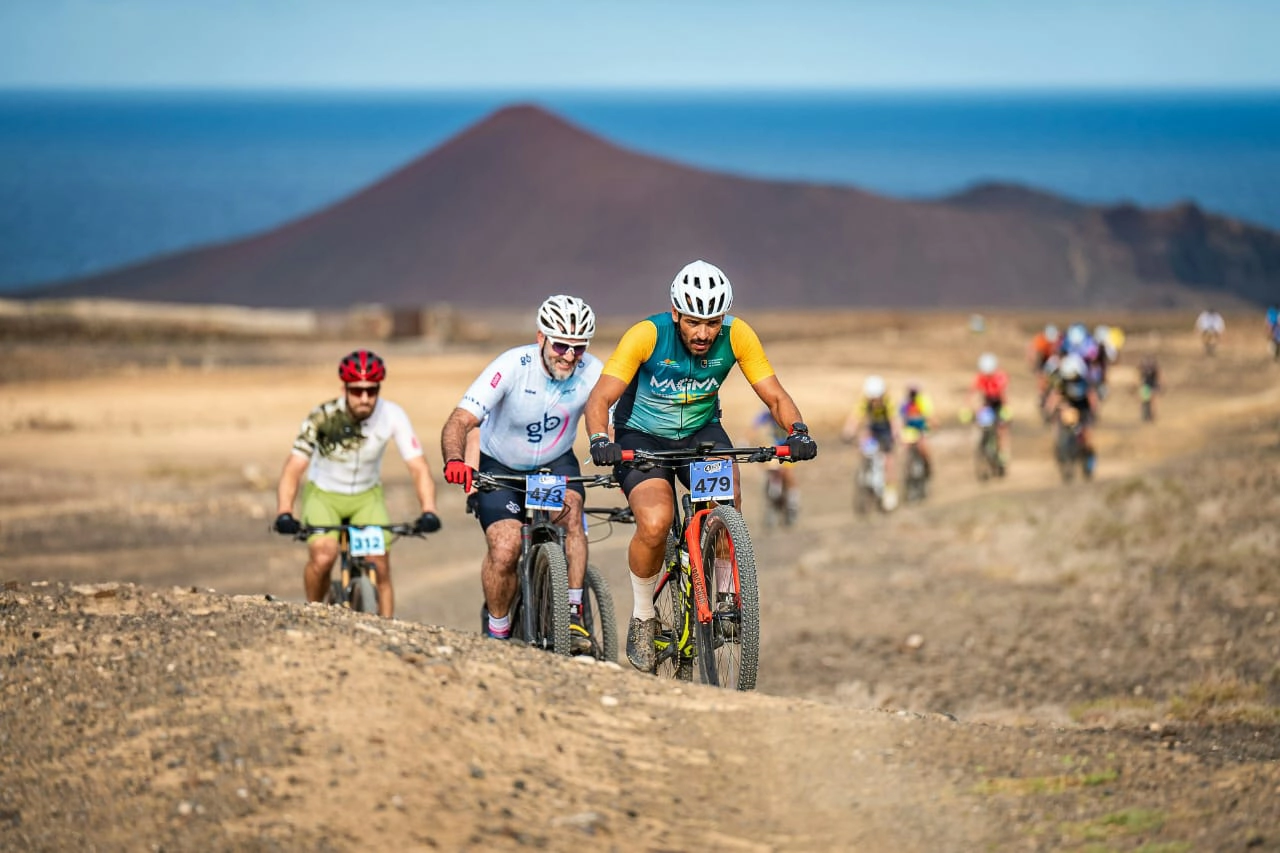
Expect a mix of surfaces:
- Dirt roads and village lanes: easy to moderate, good for warming up.
- Mule tracks and rocky singletrack: the heart of Atlas riding. Rocks, loose stones and steps are common, so bike handling matters.
- Climbs and passes: many routes gain significant height. Altitude and heat can make climbs feel harder than the distance suggests.
- Descents: fast and technical in places, with sudden drops and switchbacks.
If you are a confident beginner, we can choose gentler lanes and valley tracks. If you are an experienced rider, we can add more technical descents and longer days.
Best time for mountain biking in the Atlas
The most comfortable months are March to May and September to November, when temperatures are cooler and trails are dry. July and August are usually too hot for long rides on lower trails, though early starts and higher routes can still work. Winter brings cold and snow at altitude, and some higher routes may be closed or unsuitable, while lower valleys can still be good on clear days. Our guide to the best time to trek the Atlas Mountains has more detail on seasonal weather.
How fit do I need to be?
You do not need to be a racer, but you should be comfortable riding for 3 to 6 hours with breaks, and handling rocky terrain. Mountain bike experience matters more than raw fitness. If you have only ridden on roads, tell us and we will recommend an easier route.
What to bring
- Helmet: essential. Bring your own if you can.
- Riding gloves and eyewear: for grip and dust protection.
- Padded shorts and breathable layers: with a light jacket for mornings and descents.
- Sun protection: sun cream, a cap under the helmet, and lip balm.
- Water: a hydration pack or at least two bottles. Heat and altitude dehydrate you quickly.
- Repair basics: a spare tube, multi-tool and pump. Your guide carries more.
- Insurance: make sure your policy covers mountain biking, and check altitude limits.
If you do not want to travel with a bike, ask us about bike hire. Confirm the bike type and size when you book.
Safety and respect
- Follow your guide's line, especially on descents and around villages.
- Slow down near people, children and animals on narrow tracks.
- Ask before photographing people.
- Carry out your rubbish and keep to existing trails.
Combine biking with other adventures
Many guests ride for a day or two and then trek to Toubkal or relax in the Marrakech medina. See our Mount Toubkal trek guide and our guide to treks beyond Toubkal to build a longer Atlas trip.
Book a guided mountain bike adventure
Tell us your dates, riding experience and preferred length, and we will design a route with local guides, support and village stays. Contact us or message us on WhatsApp.
FAQ
Is mountain biking in the Atlas Mountains suitable for beginners? Yes, if you choose easier valley and village routes. Tell us your experience and we will adjust the plan.
How far is the Atlas from Marrakech for mountain biking? Imlil and the Toubkal foothills are about 1.5 hours by road, so day rides are easy to arrange.
What is the best month for mountain biking in Morocco? Spring (March to May) and autumn (September to November) are the most comfortable.
Can I hire a mountain bike in Morocco? Hire is often available through local operators in Marrakech and Imlil. Ask when you book.
Do I need a guide? We recommend one. Guides know the trails, handle navigation and safety, and can arrange village stays and support.
No comments on this article yet. Join the conversation!